
Running a Sex Offender Check in Hardin County
The official starting point is the free Texas Public Sex Offender Registry, which is managed by the Texas Department of Public Safety. No account is needed for an ordinary search. Choose Hardin from the county list, use an address, ZIP code, or name, and inspect each likely profile rather than relying on the first row. A search session ends after 30 minutes, so gather the known spelling and location first.
Hardin County has more than one registration authority. Inside a municipality, the police chief's office serves that role. Outside a city, the sheriff handles it. The agency named on the profile is therefore the best office for a correction or compliance concern. A registry hit documents a Chapter 62 duty. It does not describe all criminal history, and an empty result is not a general criminal-record clearance.
Hardin County Registry Search Modes
The state interface supports several paths because one query can miss a relevant entry. The official registry search interface shows how name, address, location, county, ZIP, and institution controls share the same public system.
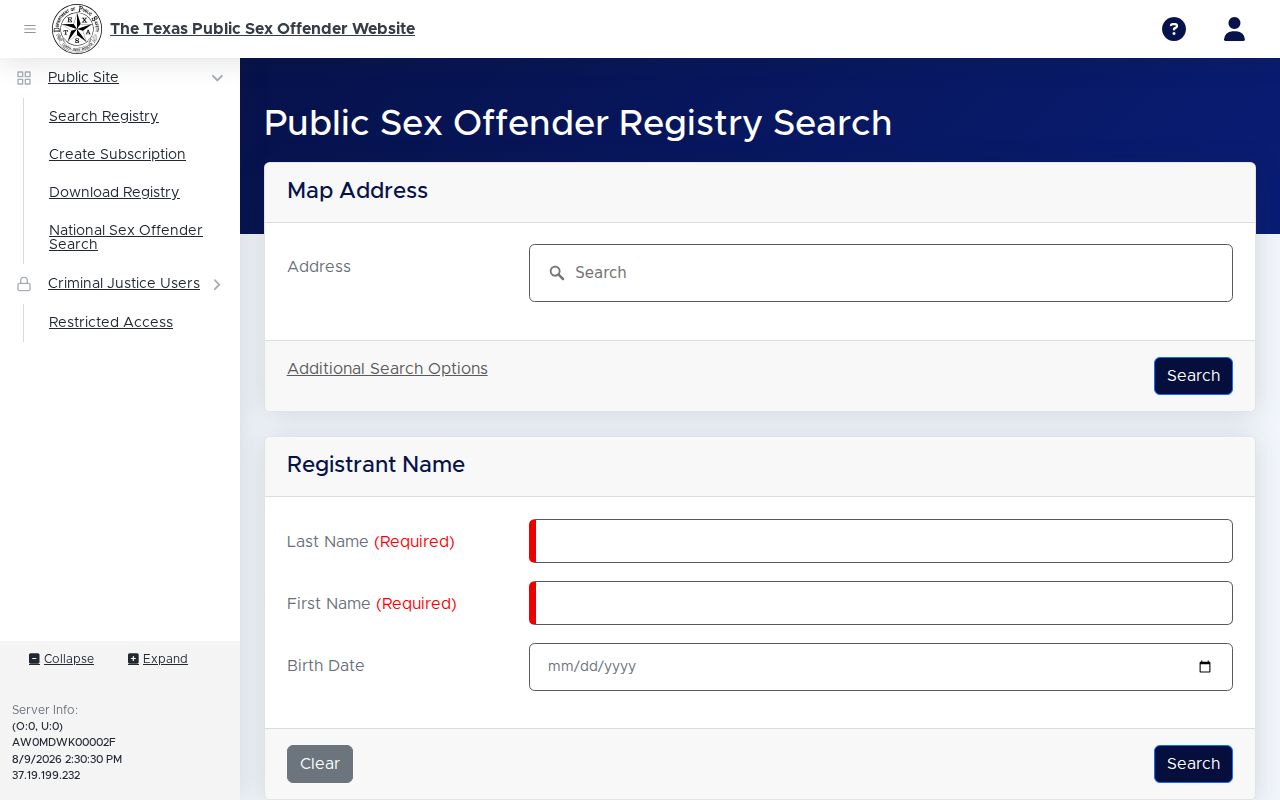
For Hardin County, a county filter is useful as a first pass, but an address and ZIP search can reveal nearby results that fall just outside a municipal line.
Searching the Texas Public Sex Offender Registry
Use more than one field when facts allow. Name spelling, birth date, and place can distinguish similar records, but DPS states that fingerprints provide positive identification. The map is an aid, not the sole list.
- Open the Texas registry and review its conditions of use.
- Select Hardin under County, or enter a name, address, or ZIP code.
- Review both mapped results and the Unmapped category.
- Open the full profile and confirm the verification agency before acting on the data.
The live controls differ by mode. This inventory reflects the fields documented during the Hardin County research pass.
| Field label | Type | Required | Notes |
|---|---|---|---|
| Map Address | Mapbox autocomplete | No mark shown | Texas-bounded; no current radius control was visible |
| Registrant name | First and last text | Both required in name mode | Birth date is optional |
| Address | Street, city, state, ZIP | No mark shown | Useful when the full address is known |
| ZIP Code | Text | Mode specific | Searches the entered ZIP area |
| County | Dropdown | Mode specific | Includes all 254 Texas counties |
| Institution and Campus | Linked dropdowns | Required in that mode | Campus loads after the institution choice |
Hardin County Unmapped Registry Records
A blank patch on the map does not prove that no registrant is tied to that area. Rural routes, new streets, partial addresses, and software limits can prevent geocoding. DPS places those entries in an Unmapped category. Searchers should check that list as well as the map and repeat the search by Hardin County, ZIP code, address, and name.
This matters across the county's pine and river country, where a mailing address and a city boundary do not always match. A map pin is also not a surveyed boundary. When a location affects a safety plan, use the text shown on the profile and verify it with the listed police agency or Hardin County Sheriff's Office.
Note: Search and map tools can fail for different reasons, so a sound Hardin County check uses both list and location views.
What a Registry Profile Shows
A public profile combines identity descriptors, registration facts, and the agency responsible for verification. The Texas registry profile layout illustrates the public field structure without requiring the page to reproduce a private person's record.
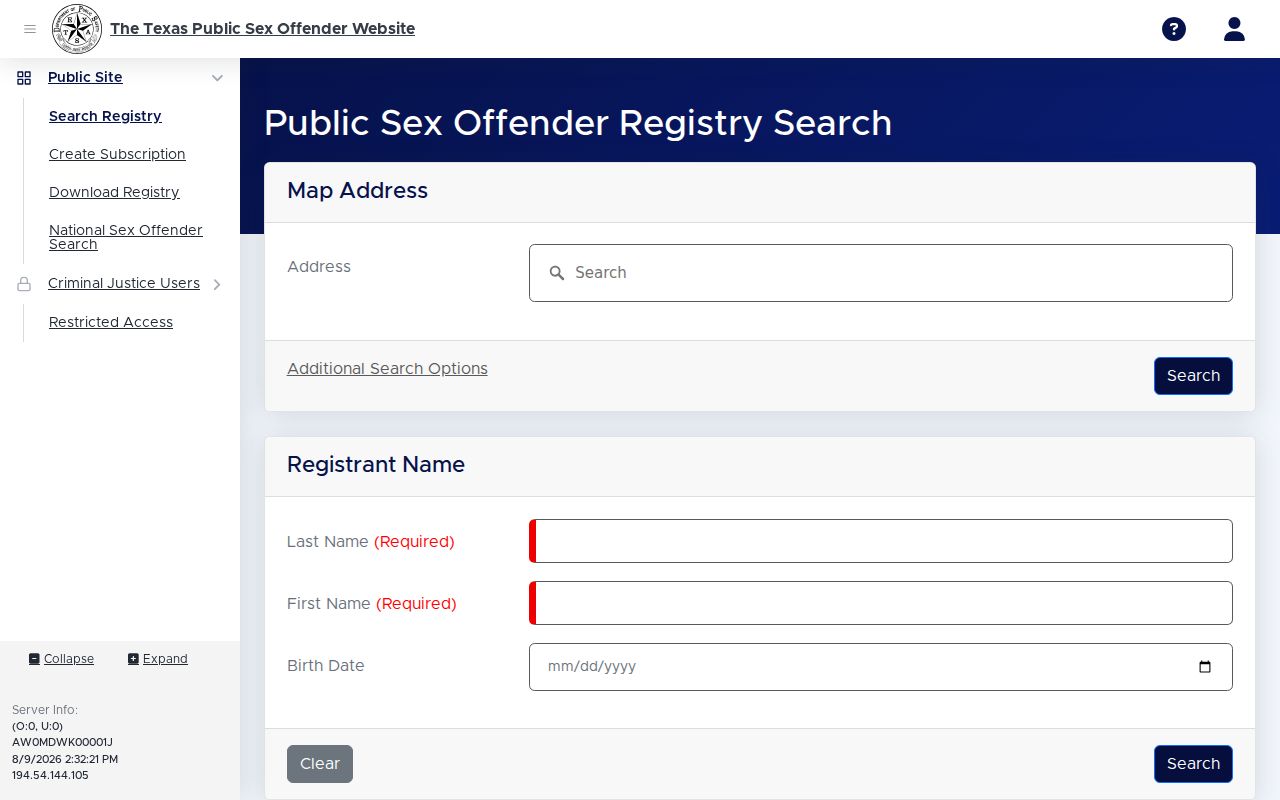
The profile is detailed, yet Texas law keeps some data nonpublic. Read each label as a registry fact, not as proof of current conduct.
| Name and aliases | Full public name and listed alternate names used for matching. |
|---|---|
| Photo and description | Photo, birth date, sex, race, height, weight, hair, eyes, shoe size, and supplied marks or tattoos. |
| Registered location | Home address or detailed location, plus higher-education information when applicable. |
| Offense facts | Offense type, victim age category, conviction date, punishment, and release or supervision indication. |
| Risk and registration | Numeric Texas risk, compliance or registration data, and the verification agency. |
| Protected fields | Victim identity, Social Security number, phone, online identifiers, employer data, and law-enforcement-only fields are not public. |
Hardin County Risk Versus Tier
Texas risk numbers and federal tiers answer different questions. Level 1, 2, or 3 describes an assessed danger and likelihood of continued conduct. Federal Tier I, II, or III instead helps set federal minimum registration periods. The labels are not interchangeable. DPS publishes a Texas and federal crosswalk for this reason.
Someone shown as Texas Level 2 is not automatically federal Tier II. Check the exact labels and the term shown on the official record. Civil Commitment is a separate court designation for a sexually violent predator, not a fourth numeric risk level.
Registration Requirements and Levels in Texas
Texas adult registration lasts for life or for a term commonly called post-10. Post-10 runs through the tenth anniversary after dismissal or discharge, release, or discharge from supervision, whichever date comes last. Juvenile terms have separate rules. Verification frequency is based on registration status and offense history, not simply the numeric risk label.
| Texas category | Meaning or duration | Verification frequency |
|---|---|---|
| Level 1 low | Low assessed danger; adult duration is life or post-10 as the offense requires | Generally annual unless another rule applies |
| Level 2 moderate | Moderate assessed danger; adult duration is life or post-10 | Generally annual unless the offense rule is stricter |
| Level 3 high | Serious assessed danger; adult duration is life or post-10 | Generally annual unless the offense rule is stricter |
| Two or more sexually violent offenses | Separate offense-history rule | Every 90 days |
| Civil Commitment | Separate court designation | Every 30 days |
Planned address changes are reported in person before a move, and specified later changes have short reporting windows. Failure to comply is a felony. The verification agency can explain the duty tied to a particular Hardin County profile.
Hardin County Registration Authorities
Chapter 62 places registration with the police chief's office inside a municipality and with the sheriff outside municipal limits. A Lumberton address therefore can route to Lumberton Police, while an unincorporated Hardin County address routes to the sheriff. Lumberton publishes a weekday registration window from 9 a.m. to noon and 1 to 3 p.m., with no appointment required. Other cities may use different practices.
The local authority keeps its registry and sends data to DPS. That chain explains why the verification agency, not merely the county name, matters when a profile appears wrong. A person generally registers by the later of the seventh day after arrival or the first date allowed by local policy. For an error, record the profile and contact the agency shown there.
Timing rules also help explain why a profile may change. A planned address change is normally reported in person seven days before the move, and a person arriving at a new Texas location must report within the applicable seven-day period. Other specified changes also carry short reporting deadlines. The registry reflects those agency submissions; it is not a live tracker of a person's movement. Ask the listed authority about an apparent mismatch instead of assuming that the map alone proves noncompliance.
Hardin County and National Searches
A move, commute, or family connection may cross the Texas line. The National Sex Offender Public Website combines participating jurisdiction searches and is the sound fallback for that broader task.
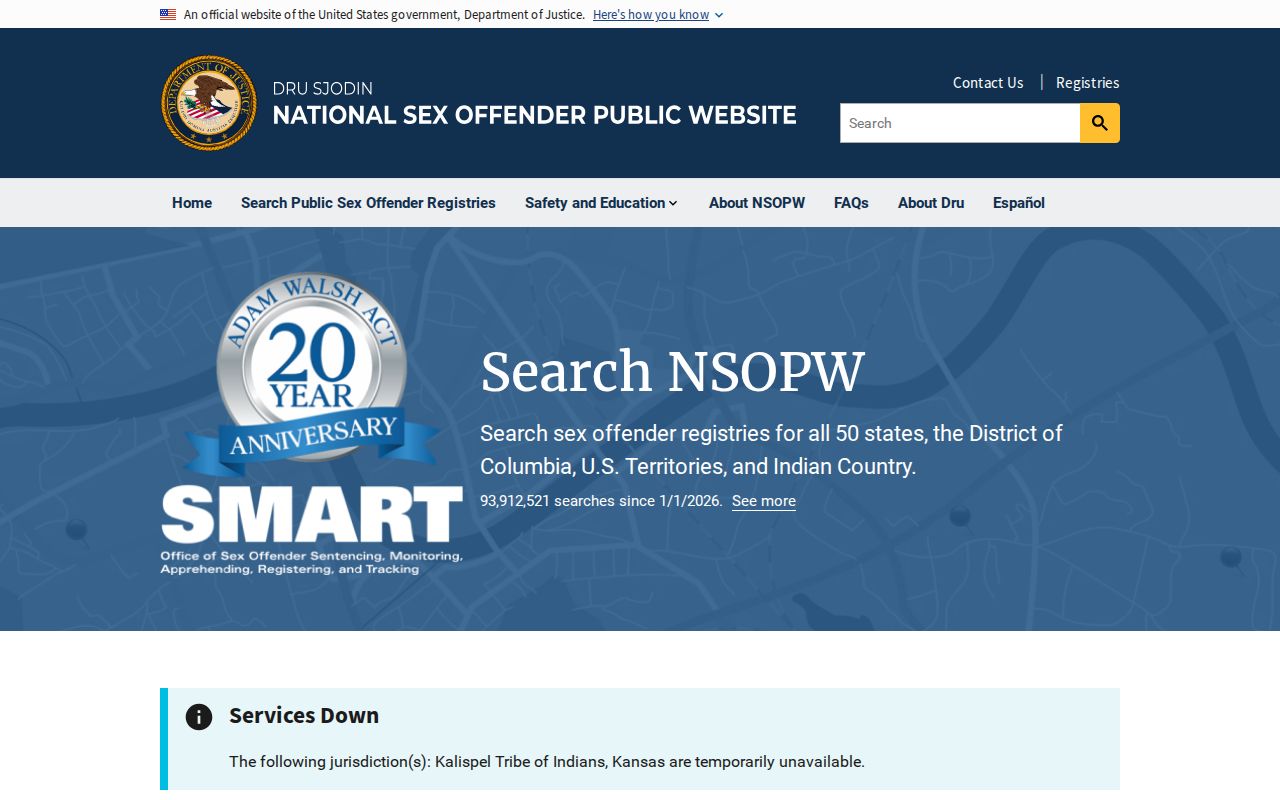
NSOPW adds cross-state reach, but the Texas profile and its verification agency remain the direct sources for a Hardin County entry.
The institution and campus search has a narrower role. It identifies registration data tied to higher education and should not be read as a general neighborhood-radius query. When a person may have ties to both Hardin County and another state, run the national search, open the participating jurisdiction's result, and then confirm the current entry with that jurisdiction's verification agency. Different state systems can use different risk labels, duration terms, and public fields.
Official crime-data tools answer another question. The FBI Crime Data Explorer displays reported crime data, not a list of registrants.
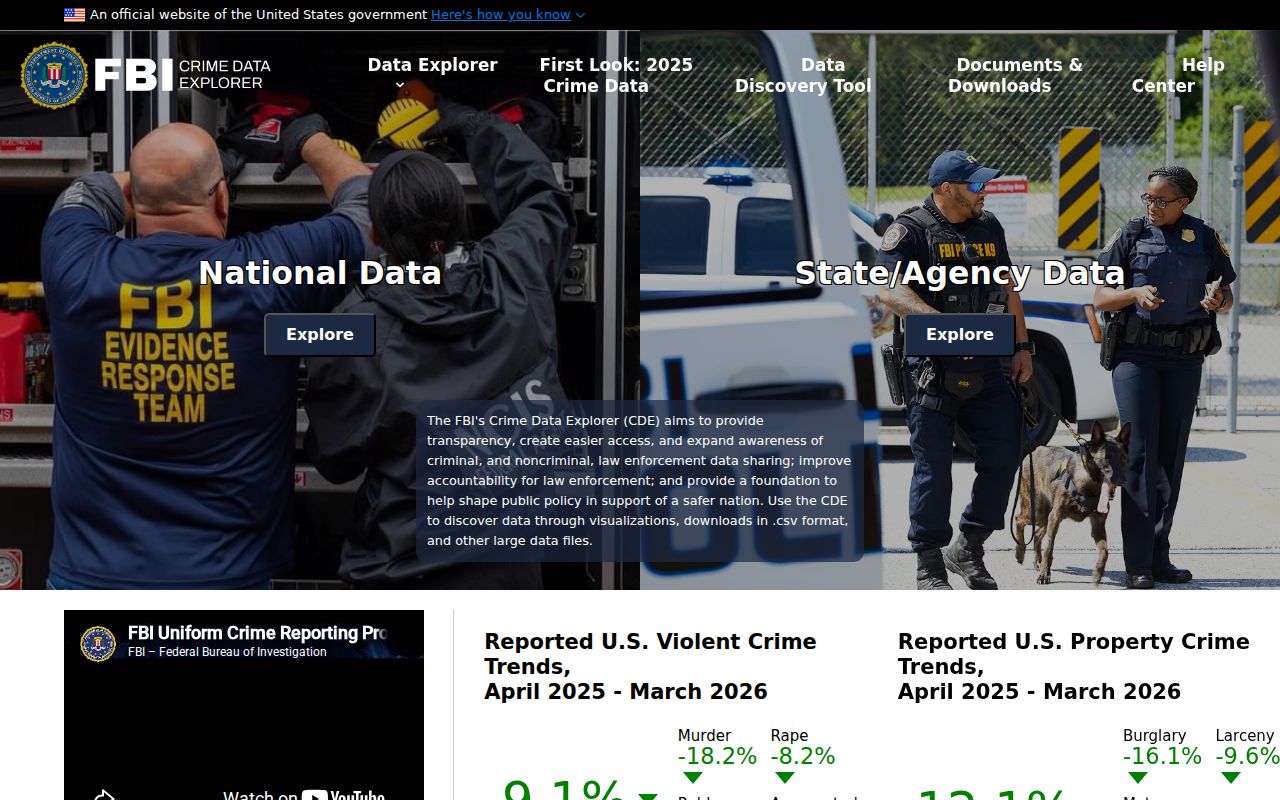
Likewise, the Texas crime-data portal is not a substitute for a person-level registry search.
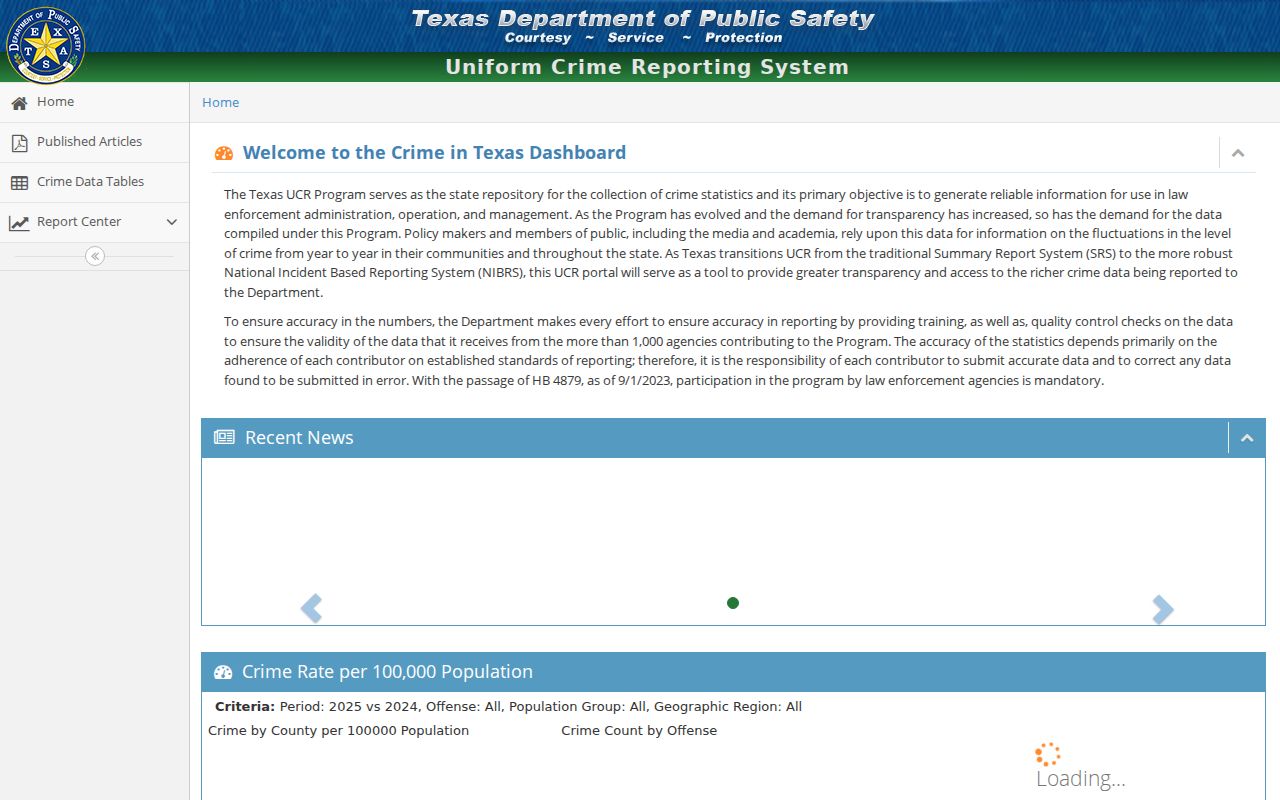
Keeping those products separate prevents reported crime counts from being mistaken for registration facts.
Lawful Use and Community Notification
Texas Code of Criminal Procedure Chapter 62 supports public safety notice and defines what local authorities publish. High-risk and civil-commitment postcard notice extends one mile in an unsubdivided area or three blocks in a subdivided area. Local authorities may also use a newspaper, meeting, hand delivery, posting, or website. The chapter does not create a blanket statewide school or park distance rule. Valid city ordinances or supervision terms may still apply.
Registry publication is not permission to confront anyone. Report suspected noncompliance to law enforcement, and send a factual data dispute to the profile's verification agency. Free database-change subscriptions require an account, while an ordinary search does not. The public page does not promise a precise proximity alert, so review the scope offered during signup.
The local notice and the searchable database serve related but distinct functions. A household may not receive a postcard because the registration facts, risk category, or measured notice area do not trigger that method. That does not remove an otherwise public entry from the statewide search. Likewise, receiving a notice does not authorize added publication of private facts about a registrant or the household. Use the official details as provided and keep personal safety steps lawful.
Use registry information lawfully. The Texas registry warns that using its data to injure, harass, or pursue an unlawful purpose can lead to criminal prosecution or civil liability under Texas law.
Note: Absence from the Texas registry means no public matching registration entry was found, not that a person has no criminal history.